
How Georgia Feels the Impact of LNG Exports

The status with the Strait of Hormuz is still in flux. That means that about 20% of the global LNG supply is basically in limbo. In the U.S., we don’t import much natural gas. However, we are upping our exports in an effort to ease strain on the global market. But, as we export more natural gas overseas, pressure on local systems goes up. This directly affects Georgia Gas prices. That’s because Georgia relies on pipelines to import gas into the state but also has a major export hub. So, let’s dig into what’s going on to see why LNG exports can impact natural gas prices in Georgia.
LNG Exports Increase Competition for Pipeline Capacity
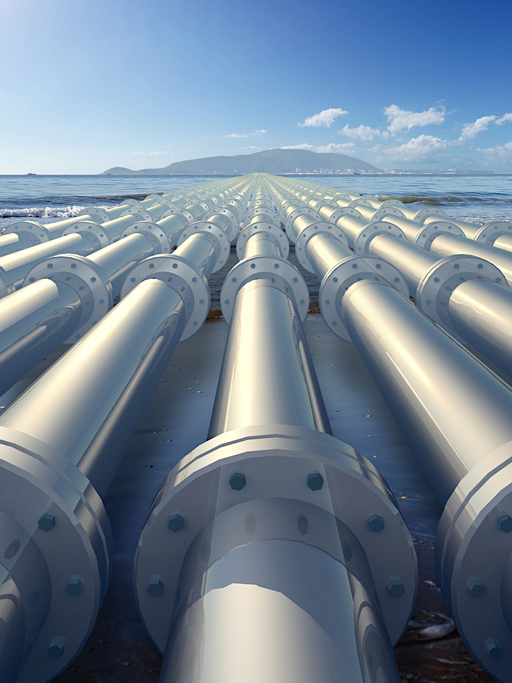
Natural gas gets to Georgia through interstate pipelines. These are the same natural gas pipelines that deliver to the major export hub, Elba Island, near Savannah.
As LNG exports grow, exporters reserve larger amounts of pipeline space. This increases competition for infrastructure. Part of what you pay for in your natural gas bill covers the costs of getting natural gas to you. If your natural gas supplier pays more to move your gas, that cost most likely gets passed on to you.
So, even when there is enough natural gas supply in the U.S., limited transportation space still creates regional price pressure.
Georgia Is Vulnerable Amid Rising LNG Exports
Compared to other states, Georgia is more exposed to infrastructure pressure. First of all, we rely on imports for all our natural gas. Georgia also has no storage capacity for natural gas. This means we can’t stockpile natural gas to relieve demand on interstate pipelines. Therefore, we must pay higher prices for delivery when those costs go up.
Now combine that with higher demand for exports from Elba Island. Elba isn’t one of the top export sites in the U.S. However, it was recently approved for a 22% increase in exports by the DOE. This increase puts added pressure on pipelines, but it’s difficult to say how that might hit residential natural gas plans.
How Georgia Consumers Feel the Impact
The good news is, other elements, like production and storage numbers, look good for cheap natural gas rates. In fact, the EIA dropped their national average wholesale price projection for the rest of the year. Natural gas suppliers may still raise rates if transportation charges go up in response to congestion. High demand periods, like peak cooling and heating season will also compound this issue.
For Georgia consumers, the biggest concern is higher and more volatile natural gas prices over time. We can’t control global energy markets or pipeline congestion. But you can take steps to reduce your risk to sudden rate increases. Comparing and shopping for cheap natural gas rates go a long way to secure stable pricing. Find your best natural gas plan today at https://www.georgiagassavings.com.